CSN Students Gain Real-World Science Experience
Six CSN students are not just learning about innovation. They’re helping build it.
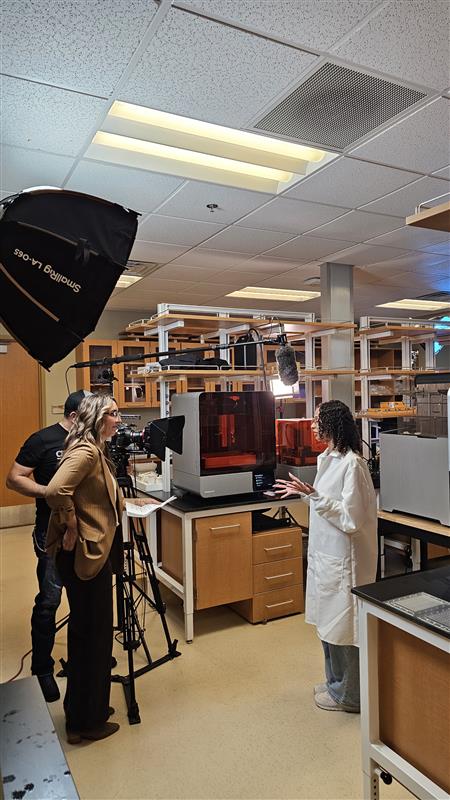
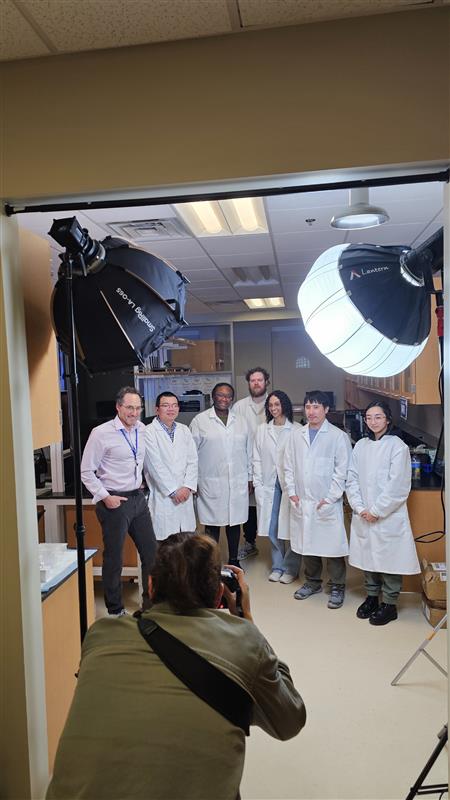
Through a faculty-led collaboration, six students were interviewed and hand selected for paid internships with WAVR Technologies, a UNLV startup addressing regional water stress through its patent-pending atmospheric water harvesting systems. Inside the company’s commercial lab, students are assisting with development and fabrication and research tied of pilot systems preparing for real-world deployment.
The opportunity reflects what CSN does best: preparing students with hands-on skills that translate directly into the workforce.
For WAVR CEO Rich Sloan, the partnership was a natural fit.
“We needed manpower, and we didn’t have to look far,” Sloan said. “We’re lucky to have well-educated and capable young people in our community. Our higher learning institutions are preparing students to bring value to companies like WAVR.”
Students credit their CSN coursework for preparing them to step confidently into a startup environment where precision, teamwork and problem-solving matter every day. Lab work at CSN combined with class-based fabrication projects and applied instruction helped them arrive ready to contribute, not just observe.
“This isn’t a simulation,” one student shared during a recent visit. “The work we’re doing here is going into real systems.”
Sloan said the CSN interns have impressed his team from the start.
“These students are exceeding our expectations in terms of productivity and quality,” he said.
In total, nine interns are working on the project, including three students from UNLV. Sloan described the collaboration between CSN and UNLV interns as one of the most energizing aspects of the program.
“There’s a very cool dynamic happening,” he said. “CSN interns are getting acquainted with UNLV interns. There’s an intellectual exchange happening where they’re learning about each other’s coursework, career paths and ideas. It’s rich in inspiration, bonding and learning. It’s a very exciting environment.”
The cross-institution collaboration also reflects a broader strength within the Nevada System of Higher Education.
“It’s really a compliment to our regional ecosystem,” Sloan said. “Having these higher learning assets in our community makes opportunities like this possible. It makes startups possible for us because of the talent in this community.”
For CSN’s six interns, the experience offers more than a paycheck. It provides exposure to a fast-moving startup environment and the chance to contribute to technology aimed at addressing water challenges in the Mojave Desert.
This is what workforce development looks like: students prepared in the classroom, connected by faculty, and stepping into real roles with industry partners right here in Southern Nevada.